
How To Navigate The C Programming Software Development Life Cycle
She manages Emergent Software’s online presence and loves to learn about how technology empowers our clients to reach their goals. Through its flagship product, the Pebble Watch, the company attracted growing demand from consumers before encountering cashflow difficulties in its attempts to scale up production. natural language processing Eventually, Pebble Technology became insolvent and sold off its assets to its competitor, Fitbit (FIT). Finally, success metrics — e.g., 15 percent increase in conversion rate, 10 percent value proposition increase in customer satisfaction rate, 10 percent increase in revenue, etc. — are defined as goals.
- Coordinate tasks and organize your product development process with Asana for product management.
- The software development lifecycle (SDLC) outlines several tasks required to build a software application.
- The waterfall model arranges all the phases sequentially so that each new phase depends on the outcome of the previous phase.
- Operation, training, and maintenance plans will all be drawn up so that developers know what they need to do throughout every stage of the cycle moving forward.
- Next, the team creates a software design plan outlining the architecture, interfaces, and components.
- Major bugs aren’t necessarily as severe but impair functionalities significantly.
Adhering to the C programming life cycle ensures that the software is robust, efficient, and maintainable. It provides a clear roadmap for developers, allowing them to focus on each phase’s specifics without getting overwhelmed by the entire process. By understanding and implementing each phase diligently, you can ensure the successful completion of your software project. The abbreviation SDLC can sometimes refer to the systems development lifecycle, the process for planning and creating an IT system. The system typically consists of several hardware and software components that work together to perform complex functions.
Stage 3: Design
Because of this, close coordination between the design team and manufacturing partners is essential to address any production challenges and ensure the product is manufactured to the desired quality standards. Purpose
To determine the feasibility and desirability of a suggested new system and establish an initial baseline compatibility with NASA’s strategic plans. Develop final mission concept, system-level requirements, needed system technology developments, and program/project technical management plans. The purpose of Phase A is to develop a proposed mission/system architecture that is credible and responsive to program expectations, requirements, and constraints on the project, including resources. This work, along with interactions with stakeholders, helps mature the mission concept and the program requirements on the project.
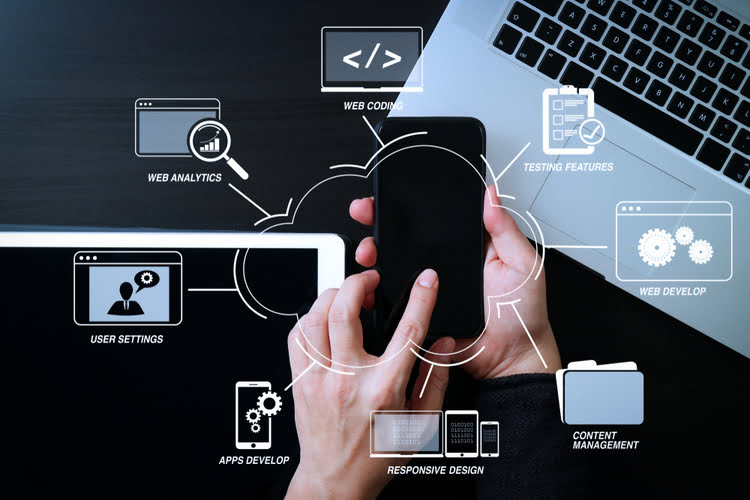
It is a process followed for software building within a software organization. SDLC consists of a precise plan that describes how to develop, maintain, replace, and enhance specific software. The life cycle defines a method for improving the quality of software and the all-around development process.
Technology
The project manager is the overall control agent for a strong SDLC process. Each company will have their own defined best practices for the various stages of development. For example, testing may involve a defined number of end users and use case scenarios in order to be deemed successful, and maintenance may include quarterly, mandatory system upgrades. This stage involves further refining a design by creating physical and/or digital representations of the product to validate its functionality, ergonomics, and user experience. Prototypes can range from simple mock-ups to fully functional models, depending on the complexity of the product.
So rather than creating a timeline for the project, agile breaks the project into individual deliverable ‘time-boxed’ pieces called sprints. This model prioritizes flexibility, adaptability, collaboration, communication, and quality while promoting early and continuous delivery. Ultimately, all this ensures that the final product meets customer needs and can quickly respond to market demands.
Key benefits of utilizing the SDLC include:
Once when the client starts using the developed systems, then the real issues come up and requirements to be solved from time to time. After the code is generated, it is tested against the requirements to make sure that the products are solving the needs addressed and gathered during the requirements stage. Once the requirement is understood, the SRS (Software Requirement Specification) document is created. The developers should thoroughly follow this document and also should be reviewed by the customer for future reference. The Software Development Life Cycle (SDLC) is basically a cost-effective process that is used to design and build good software. All three of these methods are popular since they allow for extensive iteration and bug testing before a product is integrated with greater source code or delivered to market.
This process can be one of the longest in the design lifecycle, as fully validating a design’s performance can be slow and arduous. Theoretically, this model helps teams to address small issues as they arise rather than missing them until later, more complex stages of a project. An extension of the waterfall model, this SDLC methodology tests at each stage of development. At this stage, the goal is to deploy the software to the production environment so users can start using the product. However, many organizations choose to move the product through different deployment environments such as a testing or staging environment.
What is application architecture?
For example, define a nomenclature for files or define a variable naming style such as camelCase. This will help your team to produce organized and consistent code that is easier to understand but also to test during the next phase. This article will explain how SDLC works, dive deeper in each of the phases, and provide you with examples to get a better understanding of each phase. As the lines between real and fake blur, Americans increasingly chase the idea of authenticity.
Maintenance involves updating an existing software product to fix bugs and ensure reliability. It can also include adding new features or functionality to a current product. Operations refer to the day-to-day running of a software product or service, such as performing backups and other administrative tasks.
Misión récord de astronauta ayuda a planificar viajes al espacio profundo
It lacks the thorough requirements definition stage of the other methods. During the initial design phase, project stakeholders work together to produce a mockup of the product based on the MVP prototype. The design should be created with the target audience in mind and complement the key functions of your product. Once you’ve completed the business case and discussed your target market and product functionality, it’s time to define the product. This is also referred to as scoping or concept development, and focuses on refining the product strategy.
The Requirement Analysis phase sets the foundation for the entire project. It involves understanding the needs and objectives of the software, ensuring that the development aligns with user expectations and business goals. Skipping or rushing through this phase can lead to misaligned software that doesn’t meet user needs.
Stages of the Software Development Life Cycle Model
To learn more about our preferred approach, which uses an Agile model, check out this post on our custom software development process. Development stage refers to the first phase in the life cycle of a new business. During the development stage, companies focus on establishing themselves through activities such as market research, product development, and the construction of new manufacturing facilities.
The fifth and sixth stages (adolescence and young adulthood) emphasize building and stretching children’s wings. One of the most highly regarded models of human development is that of Erik Erikson, a psychoanalyst and developmental psychologist. Their mission is to make design accessible to more people and help them bring their creativity to life. Now it’s time to commercialize your concept, which involves launching your product and implementing it on your website. Once your initial testing is complete, you’re ready to begin producing the final product concept and launch it to your customer base. To validate a product concept, consider documenting ideas in the form of a business case.
Even if your product checks all the right boxes, if you don’t commercialize it in a strategic way, it won’t reach the right audience at the right time. A prototype can also be a more complex, interactive design made with tools like InVision. You can decide the way forward depending on the idea’s size and impact.
Leave a reply
Leave a reply